Field workforce applications
Oilfield software solutions for shift handovers, task assignment, work packs and status updates for crews who finish what someone else started, often on certified handsets.
Related: mobile application development company · iOS application development · Android application development · web application development
Oil and gas software solutions for field workforce applications, asset and maintenance records, oil and gas inspection software, and integration with the operational systems your crews already run. As an oil and gas software company and energy software development company, Mobulous scopes oil gas software around certified hardware, hazardous-area rules and sites that go dark for hours or days. Founded 2013. ISO/IEC 27001:2022 certified. Offices in Noida, Newark, Delaware and Calgary, Alberta.
Oil and gas software applications and oil & gas software solutions a software development company can take on without claiming specialist engineering domains. Software for the oil and gas industry on this page means field, asset, inspection and integration work. Upstream oil and gas software packages for reservoir, allocation or drilling remain systems a client may already run. Those are integration targets, not Mobulous build claims. Field apps connect to mobile app development and browser dashboards to web application development. Hire UI/UX designers or hire developers at Mobulous when you need dedicated capacity on an agreed scope.
Oilfield software solutions for shift handovers, task assignment, work packs and status updates for crews who finish what someone else started, often on certified handsets.
Structured checklists, observations and corrective actions that survive audit years later in a form regulators can accept.
Oil company software for equipment identity, work history, parts and planned maintenance records that stay readable when the person who started the job is not on the next shift.
Write without a network at remote or offshore sites, then sync when connectivity returns, with conflict rules decided in scoping. Delivery shape may be installed, private cloud or SaaS depending on the client estate.
Bridges from field and office workflows into ERP, accounting, historian or specialist packages the client already licenses, including boundaries with operational technology networks.
Browser surfaces for supervisors and office roles who need status without carrying the full field interface onto every device.
Hazardous-area certification and operational technology change the hardware before they change the software. Each entry is a physical or regulatory constraint, why it exists, and what it removes from the design. Written as engineering and regulatory reality, not as a claim of past oil and gas delivery.
Why it exists: In some zones a standard phone or tablet cannot legally be carried at all. Ignition risk and zone rules decide which hardware may enter.
What it removes: Consumer device assumptions. The software has to run on certified hardware with a different screen, different input and different capability set.
Why it exists: Certified handsets are slower, smaller and older than consumer hardware. That is the device class permitted on site, not a temporary limitation.
What it removes: Flagship-only performance budgets, dense animation and interfaces that assume current consumer CPU, memory and display density.
Why it exists: Protective equipment is mandatory in many work areas. Operators cannot use fine multi-touch gestures the way a desk worker can.
What it removes: Tiny tap targets, swipe-only paths and flows that need precise finger placement to complete a critical step.
Why it exists: Platforms, well sites and pipelines can sit without usable network for hours or days. That is an operating condition, not an edge case.
What it removes: Online-only writes for core capture. Offline behaviour and sync strategy have to be decided during scoping, before design locks in.
Why it exists: Security, IP and safety rules can ban or limit photography in parts of a facility.
What it removes: Photo-as-the-only evidence path. Capture must work when the camera is unavailable, with alternative structured input.
Why it exists: BYOD policies and hazardous-area rules often forbid personal phones inside the fence line.
What it removes: Designs that assume crews install from a personal app store mid-shift. Provisioning has to match issued hardware and IT policy.
Why it exists: The person who started a task is often not the person who finishes it. Handover is the normal path, not an exception.
What it removes: Single-user task models and history that disappears when a shift ends. Records and open work must transfer cleanly between people.
Why it exists: Operational technology networks are isolated to protect plant safety and availability. Crossing that boundary is a security decision, not a plumbing one.
What it removes: Casual API assumptions into control or historian systems. Integration scope has to name the boundary, approvals and what never crosses.
Why it exists: Regulators expect durable records in an acceptable form long after the crew that captured them has moved on.
What it removes: Ephemeral chat-style notes as the system of record. Retention, identity of who recorded what, and exportable evidence belong in the design.
Why it exists: When a required system is down, operations pause. Downtime cost is measured in halted work, not in frustrated app users.
What it removes: Fragile single points of failure treated as acceptable for field-critical flows. Availability and degraded-mode behaviour are product requirements.
Petroleum software and oil gas software used in the field have to respect the hardware crews are allowed to carry and the handover patterns of shift work. Oil and gas software professional services here mean application development for capture and coordination, not a claim that Mobulous builds reservoir, drilling or refinery optimisation engines.
Task state, attachments and open findings have to remain usable when the next crew takes over. Designs that bury progress in one person’s private view fail at handover.
Checklists need structured answers, identity of who recorded them, timestamps and retention. Free text alone is rarely enough when a regulator asks years later.
When personal devices are banned and only certified units are allowed, the product is constrained by that fleet. Performance and input design follow the issued device, not a demo phone.
Field clients and device-facing surfaces are scoped through iOS application development and Android application development when those platforms are permitted on site. Connectivity and sensor topics may also touch IoT integration capabilities as integration context with systems the client already operates, not as a sector delivery claim.
Asset identity, maintenance history and compliance evidence have to remain coherent across crews, sites and years. Predictive maintenance models, SCADA vendor stacks and specialist HSE suites may already sit in the client estate. Those appear here as systems to connect to when the client requires it, not as Mobulous products delivered for oil and gas.
Which asset, where it sits, what was last done to it, and who signed off. History has to remain readable after staff rotate.
Planned work, corrective work, parts used and open defects held in one operational record rather than scattered notebooks.
Observations, incidents and corrective actions stored so audits can retrieve evidence without reconstructing it from chat threads.
Supervisors and office roles need reporting views that consume the same records field crews write, including through web application development surfaces when dashboards are browser-based.
Oil and gas teams rarely start from a blank slate. ERP, accounting, historians, field packages, energy management system software and specialist engineering tools already hold parts of the truth. Named platforms below appear as systems a client may already run and may need integrated with, or as energy technology solutions in the wider market. They are not claimed as Mobulous deliveries on this page.
Clients may need field and asset records to exchange data with finance and operations systems they already license, including packages discussed in the market such as SAP for oil and gas back-office processes. Those names are integration targets, not proof of past delivery.
Where a client already runs workloads on Azure, AWS or IBM cloud environments, integration work respects those estates. Naming them here is ecosystem context for scoping, not a claim that Mobulous delivered oil and gas platforms on those stacks.
Industry discussions often mention suites such as Enertia, EnergySys, FieldCap and Quorum as systems organisations may already license. Integration scope starts from what the client pays for and must keep.
Clients may already operate historians or plant connectivity using technologies discussed in the market such as OSIsoft PI, Modbus or OPC UA, and SCADA vendor environments. Crossing into operational technology networks is a security decision. Specialist domains such as reservoir modelling, refinery scheduling and drilling optimisation remain systems the client may already have; Mobulous does not claim those as build products here.
The sequence below is how oil and gas software work is organised when certified hardware and site rules change what is possible before design begins. No week counts and no price bands appear here. The scope document sets both after discovery.
Functional and technical discovery calls are free. A mutual NDA is available before detailed discussion of workflows, data and site constraints.
Hazardous-area rules, issued hardware, PPE, camera policy and OT boundaries are established before interface design, since certified hardware changes what is possible.
What must work without a network for hours or days, what queues for later, and how conflicts resolve when the same record is edited offline and online.
Acceptance criteria, surfaces, integrations, non-functional targets and support terms become a scope document, then a proposal and agreement.
Interfaces and data models are built against the agreed device class, offline rules and handover patterns, not against consumer-phone demos.
Checks run on the devices and in the conditions crews work in, including gloves, glare and intermittent or absent connectivity where that matches the site.
Adoption covers the people who inherit open work across shifts, not only the buyer who signed the contract.
Source code and IP transfer to the client on delivery. Four months of free post launch support is standard in every contract.
Stacks named here reflect general engineering capability evidenced across Mobulous delivery records (700+ apps), not oil and gas sector case studies. Field surfaces are scoped through iOS application development and Android application development when those platforms are permitted. Browser dashboards sit under web application development.
Native and cross-platform mobile stacks used across Mobulous field and consumer applications, selected against the issued device class on site.
Modern JavaScript frameworks for role-gated dashboards, admin and reporting when office users work in the browser.
Server-side application layers and APIs for sync, authentication and integration with systems the client already runs.
Verified company facts for buyers comparing oil and gas software companies, oil and gas software providers and an energy software development company. No superlatives and no sector case study claims. Delivery is from Noida for buyers in India and internationally, with offices in Newark, Delaware and Calgary, Alberta.
Founded in 2013. Mobulous reports 12+ years, 700+ apps delivered, 500+ clients across 30+ countries, and 100+ experts.
4.7/5 on Clutch across 103 reviews, 4.8/5 on GoodFirms across 65+ reviews, 5.0/5 on G2 (5 reviews), and 4.3/5 on Google Reviews.
ISO 9001:2015, ISO/IEC 27001:2022 and CMMI Level 3.
Free functional and technical discovery, a mutual NDA on request, and a written scope before any proposal.
Four months free post launch support is standard in every contract, with IP transfer on delivery.
Site and device constraints are established before design, including certified hardware, offline behaviour and OT boundaries when those apply.
No oil and gas portfolio on this URL, no reservoir or refinery build claims, and no published price or week counts. Those follow the scope document.
"The project management was great."
Verified on Clutch →Mobulous rates 4.7/5 on Clutch (103 reviews), 4.8/5 on GoodFirms (65+ reviews), 5.0/5 on G2 (5 reviews), and 4.3/5 on Google Reviews. Clutch → · GoodFirms → · G2 →
Related reading
Mobulous was founded in 2013 and reports 12+ years of software delivery across web and mobile work.
Continue Reading
Notes on Android delivery and online presence for product teams evaluating mobile partners.
Continue Reading

Company update from the Newark, Delaware office on custom application development work.
Continue Reading
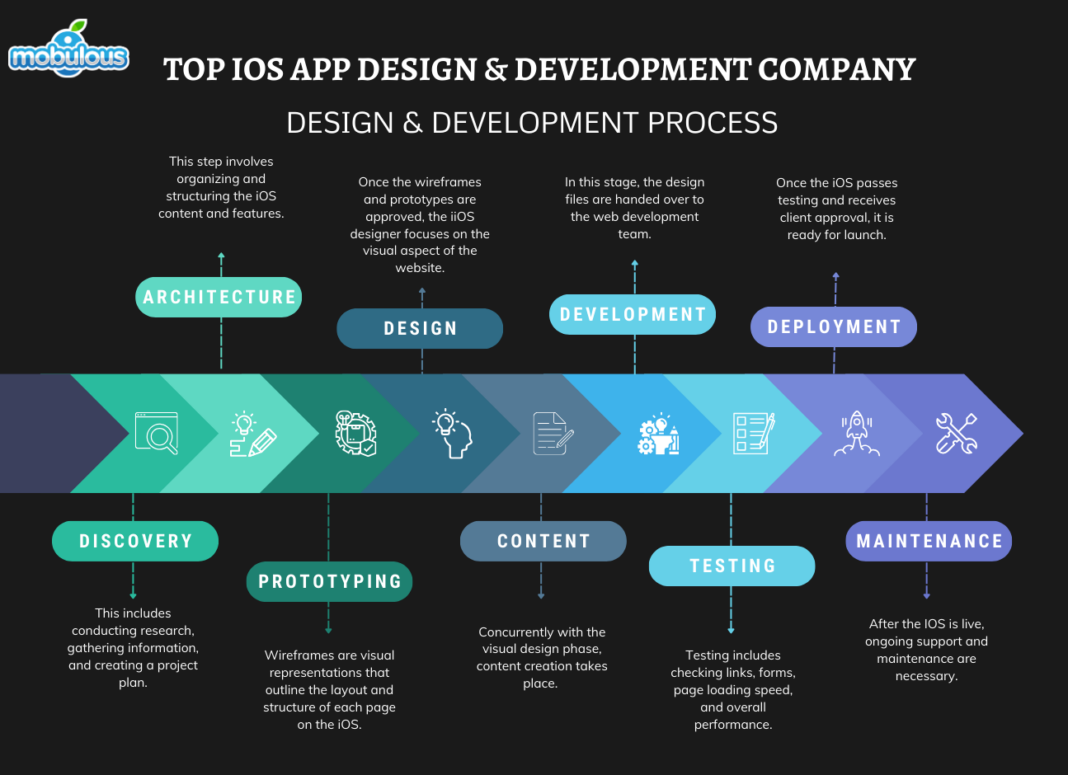
How iOS-specific technologies and design guidelines shape application delivery.
Continue Reading

A plain-language comparison of two common terms in the artificial intelligence domain.
Continue Reading
Oil and gas software is digital tooling used across petroleum operations: field workforce apps, asset and maintenance records, inspection capture, dashboards and integrations with systems the organisation already runs. On this page it means software solutions for oil and gas operations that a development company can build without claiming specialist reservoir, allocation or drilling engines.
Operators typically run a mix of ERP, field workforce tools, asset systems, oil and gas inspection software, compliance capture and specialist engineering packages. Market suites such as Enertia, EnergySys, FieldCap and Quorum appear in industry discussions as systems organisations may already license. Mobulous builds field, asset and inspection applications and can integrate with systems the client already runs. Those named suites are not claimed as Mobulous deliveries.
Oil and gas software companies and oil and gas software providers range from product vendors to custom development firms. Mobulous is an oil and gas software development company that builds custom field, asset and inspection software and integrates with operational systems the client already runs. This page does not rank who the best oil and gas software developers are.
Many firms offer custom software for oil and gas. Mobulous develops custom oil and gas software applications scoped to certified hardware, offline sites and shift handover, with free functional and technical discovery and a mutual NDA before detailed discussion. Specialist upstream engines remain systems a client may already have.
Ask how the partner handles hazardous-area hardware, offline behaviour, OT and IT boundaries, audit retention and shift handover before design starts. Require a written scope after free discovery, clear IP transfer terms and post launch support. Prefer verified company facts such as years in business, apps delivered and certifications over superlatives.
Cost follows the written scope produced through free functional and technical discovery calls. Drivers include certified device constraints, offline and sync behaviour, roles, integrations with systems the client already runs and reporting. A mutual NDA is available before detailed discussion. This page does not publish price bands.
Production allocation sits in specialist upstream oil and gas software that operators often already license. Efficiency depends on the client estate, metering data and regulatory rules, not on a single public ranking. Mobulous does not claim an allocation product. Field and inspection applications here may integrate with allocation or production systems the client already runs when scoping requires it.
Yes. Four months of free post launch support is standard in every contract. Source code and IP transfer to the client on delivery. Longer maintenance can be scoped separately after that period.
Mobulous was founded in 2013 and reports 12+ years of software delivery, with 700+ apps delivered and 500+ clients across 30+ countries.
Talk through site and device constraints, offline behaviour and the systems you already run before any proposal. Oil and gas software professional services start with discovery, not a canned product demo. 700+ apps delivered, 500+ clients, 12+ years, 4.7/5 on Clutch (103 reviews). Mutual NDA before detailed discussion. ISO/IEC 27001:2022.
Related: mobile application development company · iOS application development · Android application development · web application development · hire developers · UI/UX designers · IoT integration · AI/ML · portfolio.
Short orientation around the site constraints that decide whether software can be used at all. Partner marketing and platform capability claims from the previous guide are removed. Named platforms appear only as systems a client may already run.
Oil and gas software is digital tooling used to run petroleum operations: field capture, workforce coordination, asset and maintenance records, inspection evidence, dashboards and links into systems the organisation already licenses.
On this page, oil and gas software development means building those operational applications. It is not a claim that Mobulous delivers reservoir modelling, petroleum production software engines, refinery scheduling or drilling optimisation. Those remain specialist domains and existing client systems, including energy management system software and upstream packages a client may already run.
Hazardous-area classification can forbid consumer phones and tablets. Intrinsically safe devices are slower and smaller. Gloves remove precise touch. Cameras and personal devices may be banned. Connectivity can be absent for hours or days. OT networks are separated from IT on purpose.
Those facts remove consumer-app assumptions before wireframes start. See what the site forbids before you write a line of code.
Field capture and handover workflows, oil and gas inspection software, asset and maintenance history, offline sync, role-gated dashboards, and bridges into ERP or other petroleum technology systems the client already licenses.
Mobile surfaces connect to iOS application development and Android application development when those platforms are allowed on site.
Reservoir modelling, refinery scheduling, drilling optimisation, SCADA vendor delivery, predictive maintenance products and HSE suite replacements are not claimed as Mobulous oil and gas deliveries on this URL.
If the client already runs those systems, integration may be discussed as a security-bounded connection, not as a rebuild of the specialist engine.
Discovery starts from what the client already pays for: ERP, accounting, historians, field suites and cloud estates such as Azure, AWS or IBM environments where those are already in use.
Market names such as Enertia, EnergySys, FieldCap, Quorum, SAP, OSIsoft PI, Modbus and OPC UA appear as possible client-side systems, not as Mobulous portfolio proof. See working with your existing operational systems.
Free functional and technical discovery calls, mutual NDA first. Site and device constraints before design. Offline and sync decided during scoping. Scope document, then proposal and agreement. Four months free post launch support is standard in every contract, with IP transfer on delivery.
Company facts: founded 2013, 12+ years, 700+ apps delivered, 500+ clients across 30+ countries, 100+ experts, ISO 9001:2015, ISO/IEC 27001:2022 and CMMI Level 3.
Related capability: mobile application development company.