Account-based access
Customers log in, and what they see depends on who they are: branch, role, credit status, and territory. A public catalogue that ignores account context fails wholesale buyers on the first visit.
B2B web and portal development succeeds when account pricing, quotes, approvals, and reorder paths work for buyers who already know you. Mobulous is a mobile app development company and website development partner that builds those mechanics, not brochure sites dressed as wholesale.
Changing the headline from “Shop now” to “Request a quote” is not B2B website development. The product changes: who can see which catalogue, which price list applies, who must approve a purchase, and where stock truth lives. Those rules decide whether the site helps sales or creates a second ledger sales cannot trust.
Customers log in, and what they see depends on who they are: branch, role, credit status, and territory. A public catalogue that ignores account context fails wholesale buyers on the first visit.
The same SKU can carry different prices, packs, and availability per account. B2B pricing usually lives in the ERP, and the portal has to reflect it without becoming a second source of truth.
Many B2B buyers negotiate. Quote requests, validity windows, and conversion to order matter more than a one-click consumer cart.
Purchase orders, spending limits, and multi-person sign-off are normal. If the site cannot express that chain, buyers leave and email sales instead.
Repeat lines, saved lists, and order history drive wholesale commerce. Acquisition pages help marketing; reorder paths help revenue.
Procurement, finance, and operations read the same site for different jobs. Clear roles and documents beat a single homepage hero.
Portal queries are not a synonym for B2B websites. A B2B portal is the logged-in workplace for existing accounts: order history, invoices, shipment tracking, support tickets, and reorder. A B2B marketing site explains the offer to prospects who have not signed a contract yet. Build them as different products, even when they share a brand.
Order history, invoices, shipment status, credit notes, and support in one login. Buyers stop calling sales for status they should pull themselves.
Buyer and seller flows, catalogue visibility by account, and order handoff when two businesses trade through one platform rather than a retail cart.
Prospects still need proof, case proof, and a path to talk to sales. That surface should not pretend to be the portal, and the portal should not replace acquisition content.
Treat this as a requirements dossier before you fund build. If a line is missing, you do not have B2B web yet. You have a consumer template with wholesale language. Use it in discovery: mark each REQ as must-ship, deferred with a date, or out of scope with a reason.
Company, branch, and role determine catalogue, credit, and who can place or approve orders. Guest browse alone is not enough.
Customer-specific price lists, packs, and minimums. B2B pricing usually lives in the ERP, and the portal has to reflect it without becoming a second source of truth.
Request, revise, expire, and convert quotes to orders. Negotiation is a product path, not a contact form.
Spending limits, multi-person sign-off, and an audit trail of who approved what before fulfilment starts.
Decide the source of truth for stock, price, and invoices. When those live in two systems, orders, credit, and returns disagree under load. Architecture first; vendor brand names later.
Order history, saved lists, and one-tap reorder. Most B2B volume is repeat, not first discovery.
After the dossier is clear, continue under website development, companion commerce under ecommerce website development, or bespoke rules under custom app development.
Under website development we build account surfaces, catalogues, quotes, and self-service. Consumer storefronts sit under ecommerce website development. Unusual workflows sit under custom app development.
Login models, customer hierarchies, and catalogue slices that match how sales already segments accounts.
Quote-to-order paths, spending limits, and history-led reorder so buyers stop rebuilding carts from email threads.
Plan what syncs for price, stock, and invoices, and what stays owned by the portal UI. We design for those boundaries as considerations. We do not claim a branded ERP integration catalogue as delivered experience.
Proof framed by wholesale trading portals, subscription account platforms, field sales order capture, and construction ops software. Connection Portal is portal work for wholesale trading. Bushido, AIPL, and iBuild show account-based listing and business workflows.
Client: Connection Portal LLC. Two B2B marketplace portals connecting wholesale buyers and sellers across electronics and commercial goods. Mobulous enhanced buyer and seller flows at the centre of the trading operation. A companion mobile app is currently in development.
Client: Bushido. Subscription platform where artists list songs and playlists, and listeners subscribe and pay through to the artists. Mobulous allocated dedicated front-end and back-end resources. 1,000 artists and 2,800+ subscriptions on the platform.
Client: AIPL MARKETING PVT LTD. Field sales system for employees who visit retailers and distributors: day start, activity tracking, retailer module, transport mode, planner, and location-gated order capture so orders can be taken only at the retailer’s site.
Client: iBuild. Cloud-based residential construction management: real-time job tracking and reporting, project scheduling, document templates, job budgets and cash flow, mobile access, regulatory compliance, and coverage across sales, design, estimating, purchasing, construction, and warranty.
Related reading

What drives website build cost before you lock portal and account scope.
Continue Reading
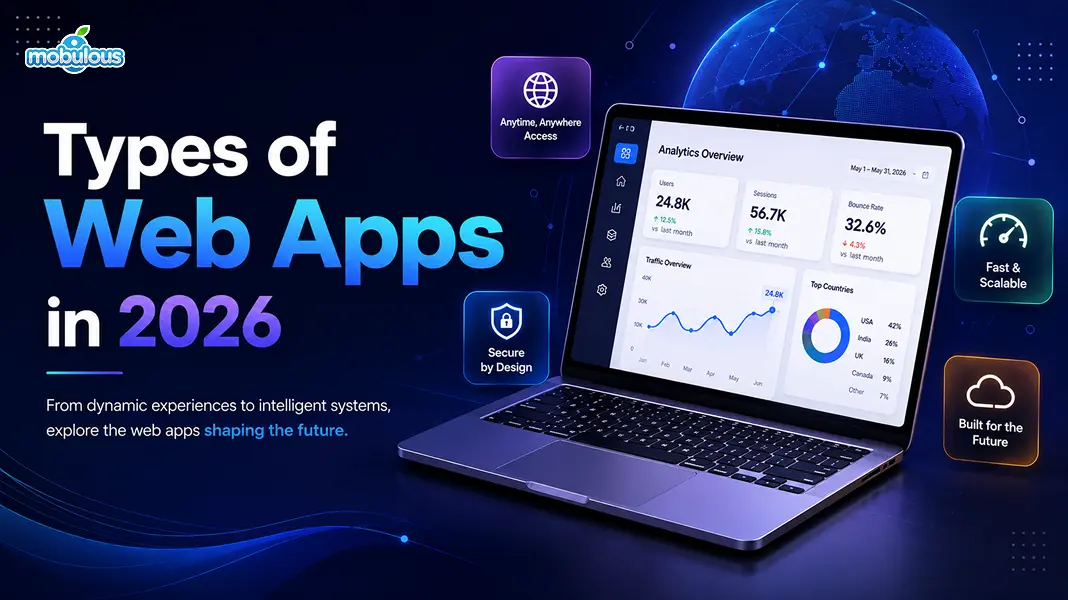
How web app shapes differ when portals and account tools sit beside marketing sites.
Continue Reading
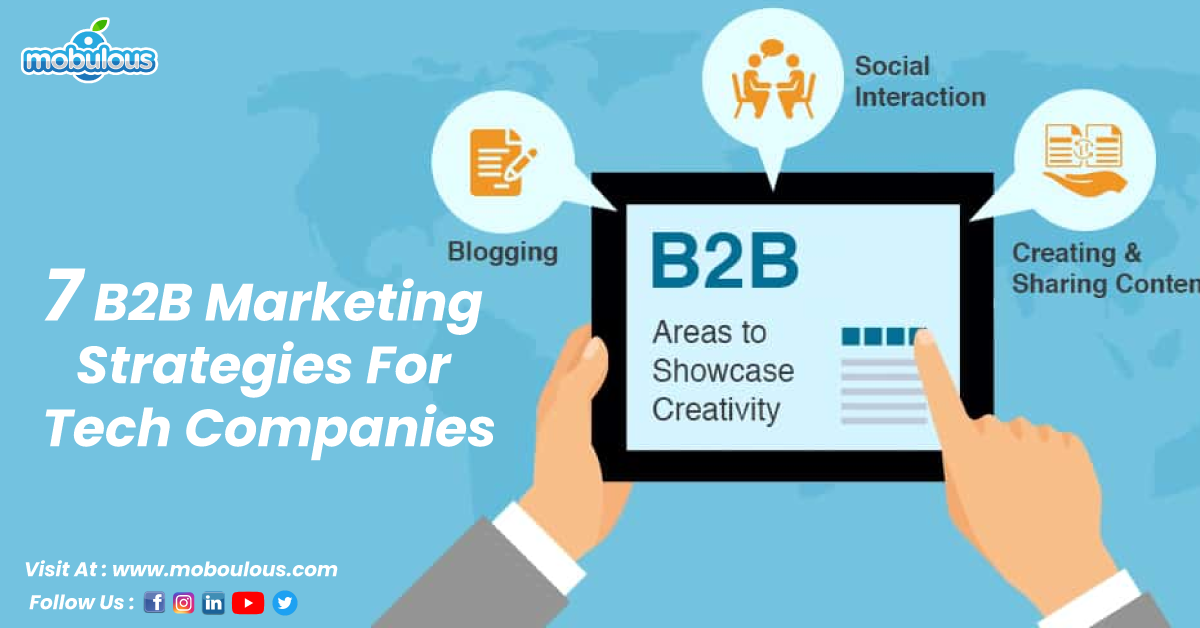
How tech companies plan B2B acquisition beside portals and account-led products.
Continue Reading
"Their project management style was good."
Verified on Clutch →"They were quite thorough in the wireframes and the designs."
Verified on Clutch →"They're a very cooperative, good team and give importance to your requirements."
Verified on Clutch →Mobulous rates 4.7/5 on Clutch across 103 reviews. View the full Clutch profile →
A portal is for signed customers: order history, invoices, shipment tracking, support, and reorder. A B2B website acquires prospects who are still evaluating you. They share a brand; they are different products.
We design ERP-ready architecture: what must sync, where price and stock truth live, and what breaks when two systems disagree. We do not claim branded ERP or CRM integrations as delivered experience from our project records.
Public catalogues without account pricing, checkout without approvals, and portals that invent a second stock ledger. Fix the requirements dossier before theme work.
Yes. Connection Portal is an example of enhancement work across two B2B trading portals for wholesale buyers and sellers. Scope still starts with account rules and order handoff, not a consumer marketplace template.
Connection Portal LLC for two wholesale B2B trading portals; Bushido for artist subscription listing and payouts (1,000 artists, 2,800+ subscriptions); AIPL for field sales order capture at retailers and distributors; iBuild for cloud construction management across scheduling, budgets, purchasing, and warranty.
Mobulous is a B2B web and portal development company for operators who need account-based pricing, quotes, approvals, reorder, and ERP-ready architecture. We write about ERP sync as a design problem, not as a branded integration menu. We have delivered 700+ apps since 2013 from Noida (with offices in Newark, Delaware, and Calgary, Alberta), and rate 4.7/5 on Clutch (103 reviews).
Continue on website development, ecommerce website development, or custom app development.
Need a cost ballpark first? The 90-second estimator gives a range before the call.
Related reading: app development company, including website development services.